Apr 18, 2025
Company News

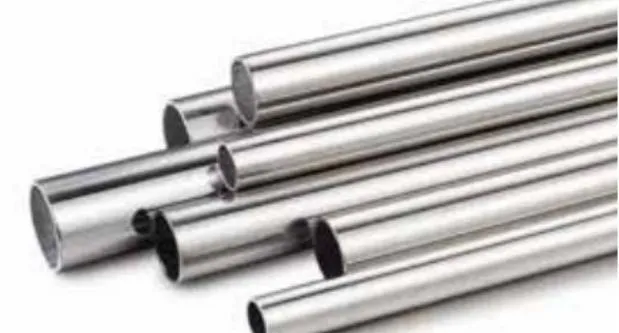
Thick steel pipes are crucial components in a variety of industries, from construction and oil and gas to water treatment and power plants. The manufacturing process of these pipes is complex and involves several stages to ensure that they meet the necessary strength and durability requirements. IPC, a leading provider of thick steel pipes and related products, offers a comprehensive approach to creating these pipes that ensures high performance and reliability. In this article, we'll walk through the steps involved in manufacturing thick steel pipes, providing insights into each stage of the process.
The process of manufacturing thick steel pipes begins with the careful selection of raw materials. Steel is chosen based on its ability to withstand pressure, corrosion, and extreme environmental conditions. High-quality steel, often in the form of billets or blooms, is selected for its consistency and strength. IPC's expertise in sourcing and working with premium-grade steel ensures that the resulting thick steel pipes possess the durability and robustness required for demanding industrial applications.
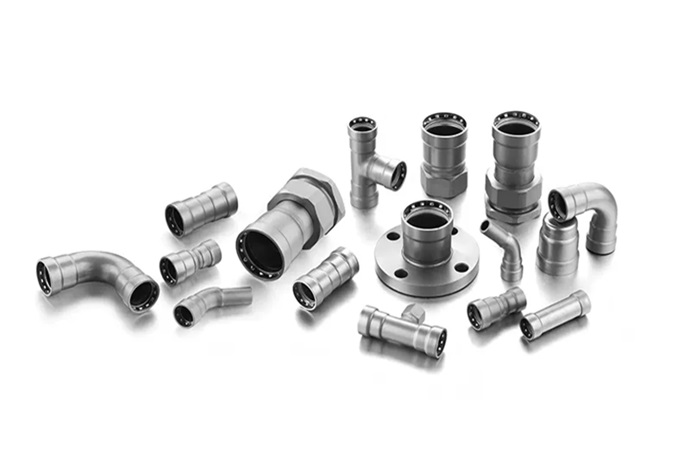
Once the raw steel is selected, the next step in manufacturing thick steel pipes is heating. The steel is heated to a high temperature in a furnace to make it malleable and easier to shape. This process, known as "hot working," involves heating the steel to temperatures above 1000°C (1832°F). The heated steel is then passed through a series of rollers and presses, where it is gradually shaped into the desired dimensions of the thick steel pipe. IPC ensures precise control of temperature and pressure throughout this stage to achieve uniformity in the pipe's thickness and strength.
After the steel has been shaped, the next step in the production of thick steel pipes is to form the pipe itself. This is typically done using a rolling process, where the heated steel is passed through a series of rollers that gradually shape it into a cylindrical form. At this point, the edges of the steel plate are brought together and welded to form a seamless or welded thick steel pipe. IPC uses advanced welding techniques to ensure that the welds are strong and free of defects, ensuring that the final product meets the required safety standards for high-pressure applications.
Once the pipe has been formed, it undergoes a heat treatment process. This step is crucial in enhancing the mechanical properties of the thick steel pipe, including its strength, toughness, and resistance to corrosion. The heat treatment typically involves heating the pipe to a specific temperature and then cooling it in a controlled manner. This can include processes such as normalizing, quenching, and tempering. IPC employs precise control during the heat treatment process to ensure that each pipe meets the desired specifications for hardness and other critical properties.
The final step in the manufacturing process is quality control and inspection. Before the thick steel pipes are ready for use, they undergo a series of tests to ensure their integrity and performance. These tests can include ultrasonic testing, hydrostatic testing, and visual inspection. IPC's quality control team performs rigorous inspections to ensure that the thick steel pipes meet industry standards for pressure resistance, surface finish, and overall structural integrity. Pipes that pass the tests are then prepared for shipping, ready to be used in a variety of industrial applications.
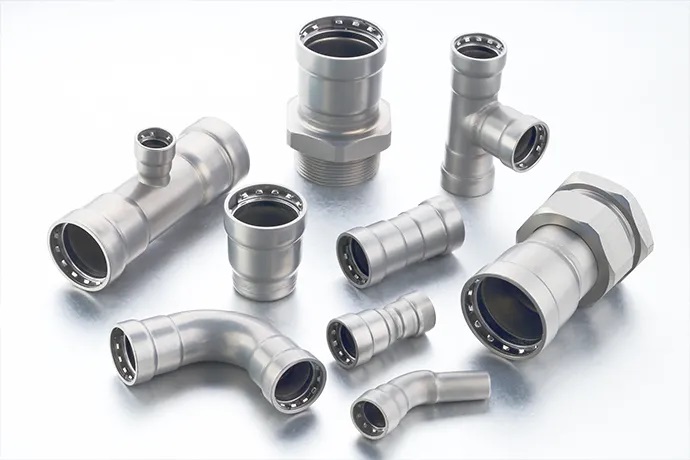
When comparing thick steel pipes to standard steel pipes, there are several key differences to consider. Thick steel pipes are specifically designed for high-pressure applications and environments where strength and durability are critical. The table below highlights the main differences between thick steel pipes and standard steel pipes:
Feature |
Thick Steel Pipe |
Standard Steel Pipe |
Wall Thickness |
Greater thickness, usually over 10mm |
Thinner walls, typically under 10mm |
Pressure Resistance |
Designed for high-pressure environments |
Suitable for lower pressure applications |
Durability |
Enhanced resistance to extreme conditions |
Less resistant to wear and tear |
Manufacturing Process |
More advanced and precise, requires additional heat treatments |
Simpler manufacturing process |
Applications |
Oil & gas, water treatment, power plants |
Residential plumbing, general construction |
As seen in the table, thick steel pipes are built to handle more demanding conditions, offering superior strength and reliability compared to standard steel pipes. Their thicker walls allow them to withstand higher pressures, making them ideal for industrial applications such as oil pipelines, power plants, and large-scale water systems.
The manufacturing process of thick steel pipes is a highly detailed and precise procedure that involves several steps to ensure the pipes meet the stringent requirements of industrial applications. From material selection to the final inspection, each stage plays a crucial role in ensuring the pipes are durable, reliable, and able to withstand extreme pressures and environmental conditions. IPC's commitment to quality and advanced manufacturing techniques ensures that its thick steel pipes provide the strength and longevity needed for high-performance applications across various industries.
References: