Mar 20, 2026
Blog

Selecting the right stainless steel press fittings for your plumbing or industrial project is crucial for ensuring durability, leak-free connections, and long-term performance. These fittings play an essential role in various applications, from residential plumbing to high-demand commercial and industrial systems. With so many options available, it's important to understand the key factors that determine which stainless steel press fitting will be the best choice for your specific needs. In this guide, we will discuss the critical considerations to make when choosing stainless steel press fittings, focusing on IPC's high-quality products that are designed for strength, reliability, and ease of installation.
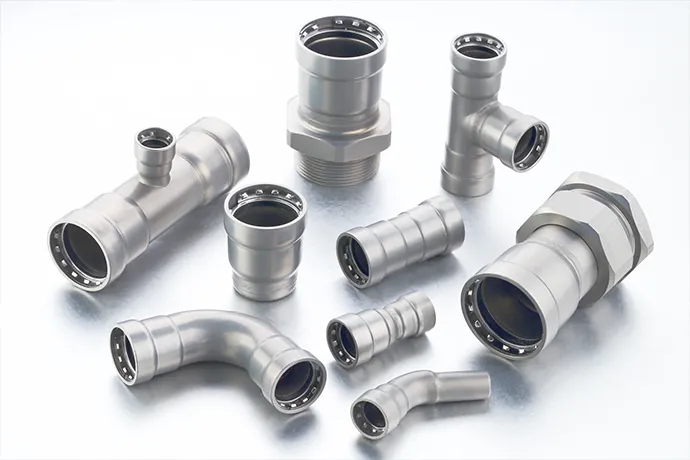
When choosing stainless steel press fittings for your project, one of the most important factors to consider is the material's ability to withstand specific pressures, temperatures, and environmental conditions. IPC's stainless steel press fittings are engineered to meet the highest industry standards for pressure resistance and corrosion resistance, ensuring that they perform reliably in harsh environments. Whether you are working with residential plumbing systems, HVAC installations, or industrial applications, the right fitting must be capable of handling the required demands. IPC offers a wide range of sizes and configurations of stainless steel pipe press fittings that can handle everything from standard residential water supply systems to high-pressure industrial applications.
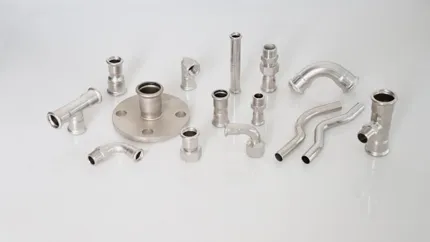
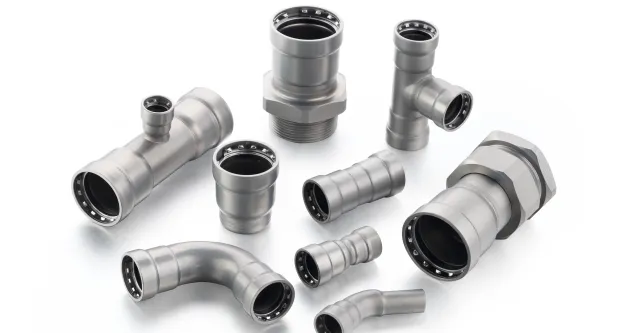
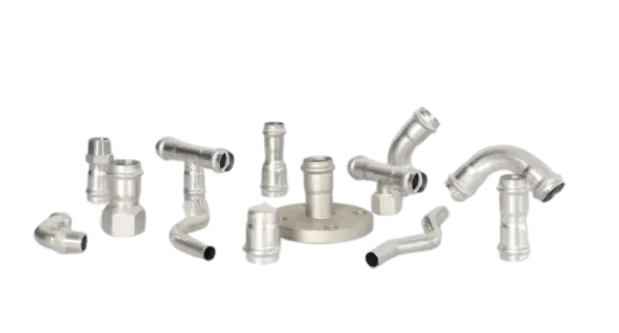
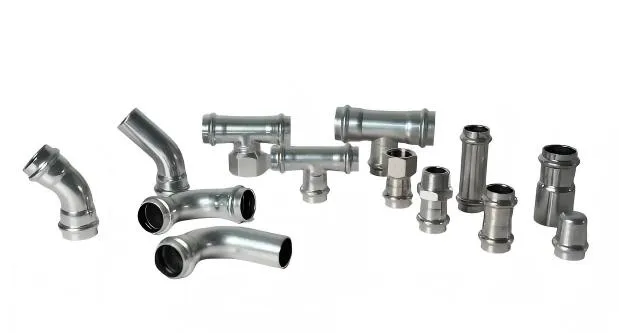
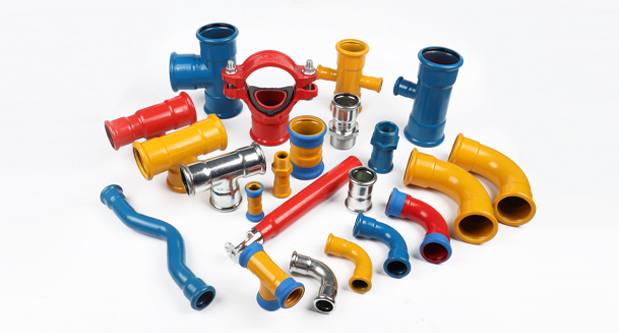
Choosing the correct size and type of stainless steel press fitting is essential to ensure proper installation and optimal performance. The dimensions of the pipe, along with the specific needs of the system, will determine which type of fitting is most appropriate. IPC provides a diverse selection of fittings, including elbows, tees, couplings, and reducers, designed to suit different pipe sizes and configurations. It's important to select fittings that match the pipe diameter, as mismatched sizes can lead to leaks, reduced pressure, and premature wear of the system. Additionally, the type of press fittings—whether an elbow, tee, or coupling—should be chosen based on the direction of the flow, connection requirements, and system layout.
Understanding the pressure rating of the stainless steel press fittings is crucial when choosing the right fittings for your project. The pressure rating determines how much pressure the fitting can withstand without failing, which is especially important in industrial, commercial, and high-demand residential applications. IPC's stainless steel press fittings are designed with advanced sealing technology that provides excellent pressure resistance. This ensures that the fittings can maintain structural integrity under high-pressure conditions, which is a common requirement in systems like gas pipelines, steam lines, and fire protection systems. Be sure to check the pressure rating of the fittings to ensure they meet or exceed the requirements of your application.
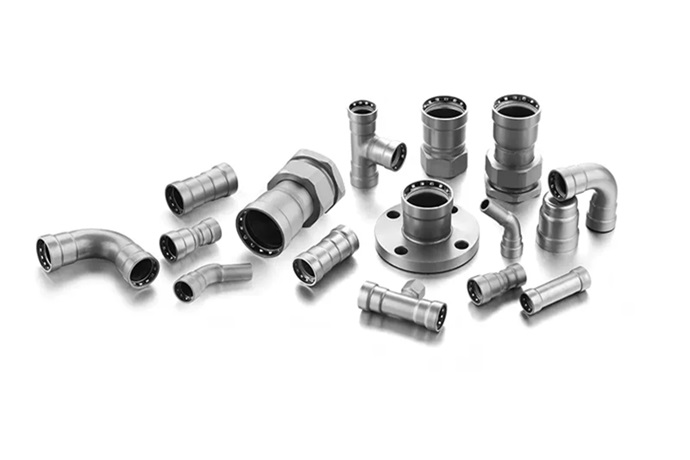
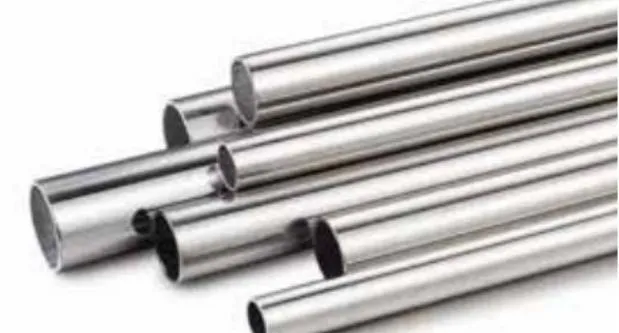
Another crucial factor to consider when selecting stainless steel press fittings is their resistance to corrosion. Stainless steel is widely chosen for its ability to resist rust and degradation, but not all stainless steel grades offer the same level of protection. IPC offers stainless steel press fittings made from high-quality, corrosion-resistant stainless steel alloys, such as 304 and 316, ensuring that the fittings can withstand exposure to harsh environments, including acidic or salty conditions. When working in areas with high humidity or exposure to chemicals, it's essential to choose fittings that will not deteriorate over time, ensuring the longevity and safety of your system.
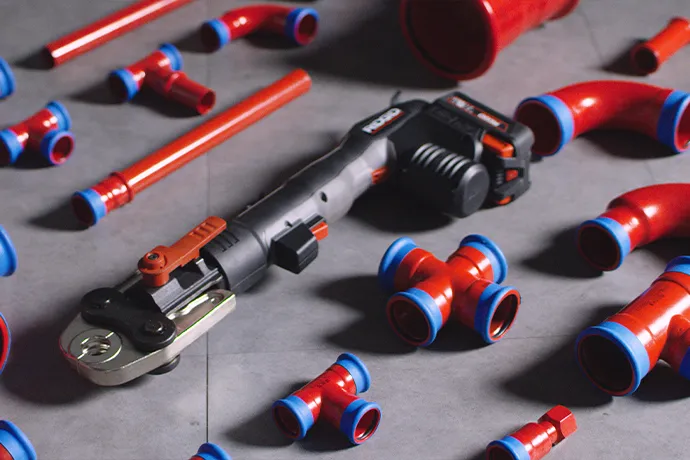
As a professional press fittings manufacturer, IPC manufactures stainless steel press fittings engineered to fulfill the stringent demands of residential and industrial plumbing systems. The company ensures that its fittings undergo rigorous quality control checks and meet international standards for pressure resistance, corrosion resistance, and dimensional accuracy. Compared to traditional threaded or welded fittings, IPC's press fittings offer a faster, more secure installation process that minimizes the risk of human error and eliminates the need for heat or glue. This can save both time and labor costs while ensuring that the installation is done correctly every time. Moreover, IPC's press fittings are backed by technical support, ensuring that you can always get assistance when needed, whether you're working on a small project or a large-scale industrial installation.
When choosing between stainless steel press fittings and traditional fittings like threaded or welded connections, there are several key factors to consider. Press fittings offer several advantages, including faster installation times, reduced risk of leaks, and less need for specialized tools or skills. The table below compares stainless steel press fittings with traditional fittings to help highlight these differences.
Feature | Stainless Steel Press Fittings | Traditional Threaded/Welded Fittings |
Installation Time | Fast and efficient; requires minimal tools | Time-consuming; requires threading or welding |
Leak Prevention | Secure, reliable seal; no risk of leakage | Potential for leaks if improperly threaded or welded |
Durability | High resistance to pressure and corrosion | May degrade over time, especially with exposure to moisture or chemicals |
Skill Level Required | Easy to install, no special skills needed | Requires skilled labor for threading or welding |
Flexibility in Design | Versatile with a range of fittings (elbows, tees, reducers) | Limited to specific types and designs |
Maintenance | Low maintenance, long-lasting | Frequent maintenance may be required |
As shown in the table, stainless steel press fittings provide significant advantages over traditional methods, especially in terms of ease of installation, reliability, and long-term performance. This makes them an ideal choice for both residential and industrial applications.
Choosing the right stainless steel press fitting for your project is essential to ensure a durable, leak-free system that performs well under pressure. By considering factors such as material quality, size and type of fittings, pressure ratings, and corrosion resistance, you can select the most suitable fittings for your specific needs. IPC's high-quality stainless steel press fittings offer all the benefits of modern plumbing technology, including faster installation, enhanced reliability, and superior resistance to environmental factors. Whether you are working on a residential, commercial, or industrial project, IPC's stainless steel press fittings provide the strength and performance you need for long-lasting, secure connections.
References:
· Plumbing & Mechanical Magazine
· Building and Construction Authority