Jun 23, 2026
Blog

Stainless steel piping systems paired with press-fit mechanical connectors have become a mainstream fluid transport solution across global industries. Driven by robust market growth data, superior material performance and simplified on-site installation, these products are gradually replacing copper, PVC and carbon steel pipelines. This paper systematically sorts out market expansion trends, core technical advantages, and full-spectrum application scenarios covering construction plumbing, oil & gas, compressed air, chemical, pharmaceutical, food & beverage, marine and fire protection sectors, and forecasts the long-term growth potential of stainless steel press-fit piping under the global pursuit of safety, hygiene and sustainable infrastructure.
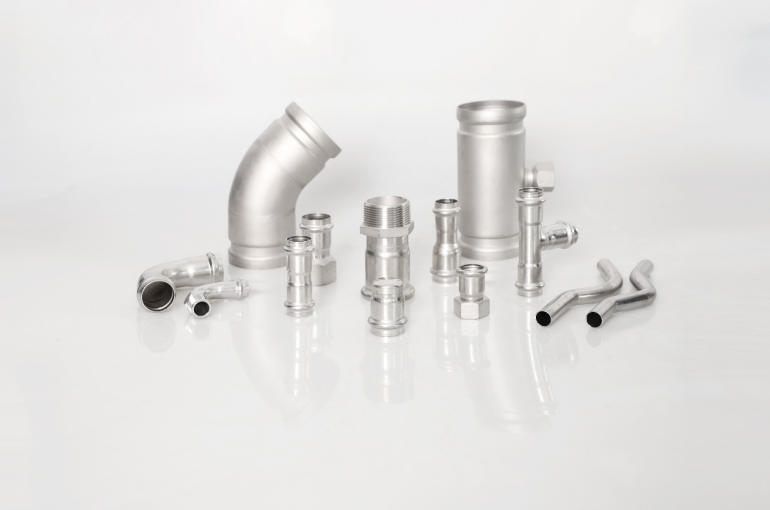
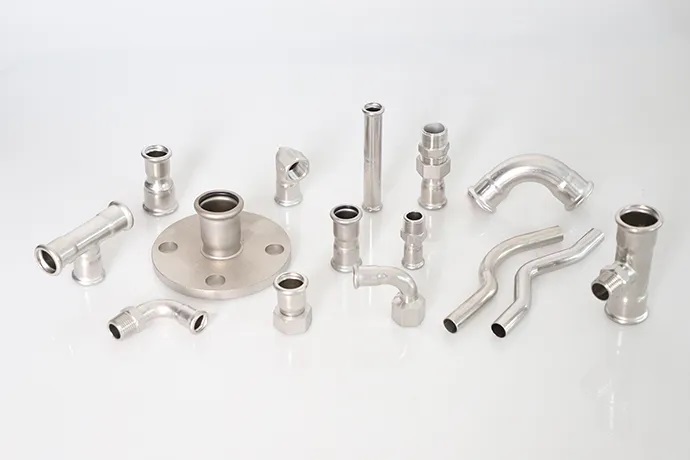
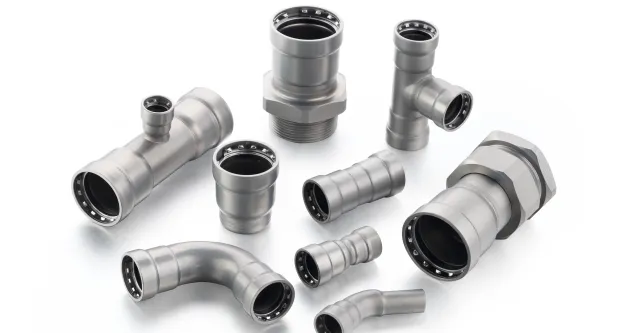
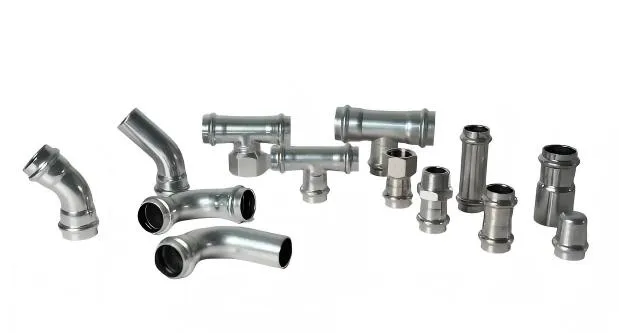
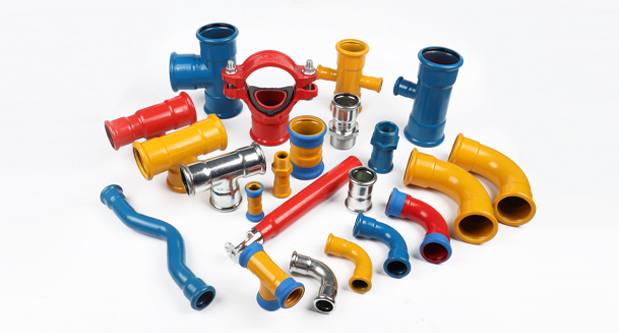
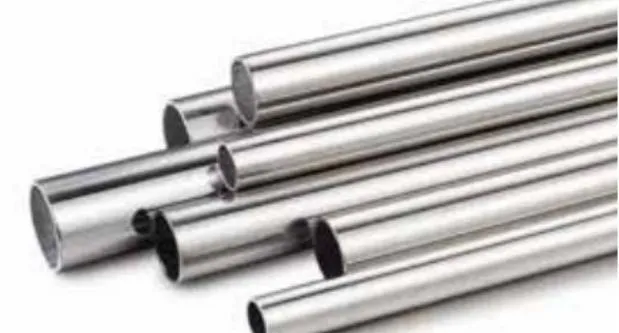
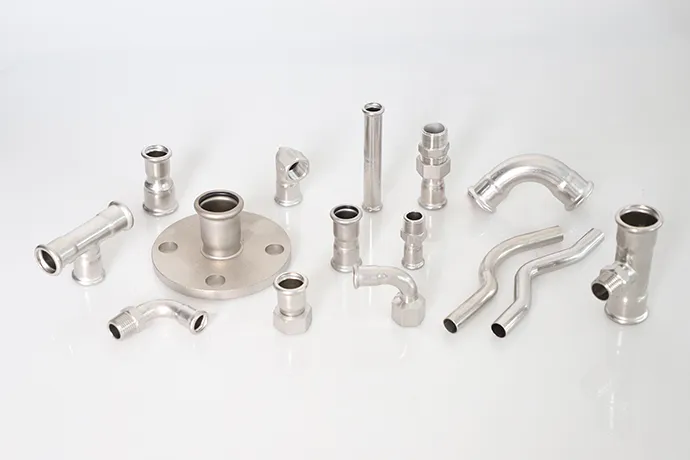
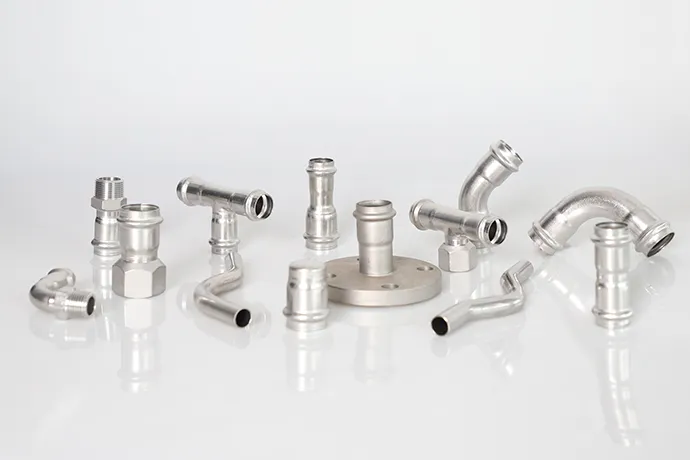
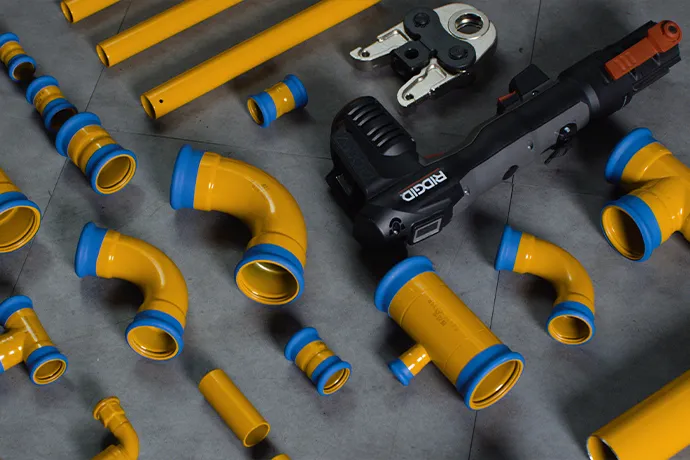
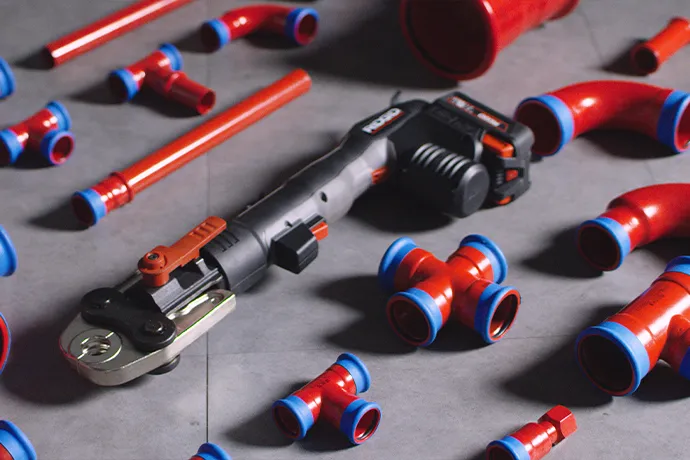
In today’s industrial and construction sectors, the selection of piping materials directly determines the efficiency, operational safety and service life of fluid transmission systems. Stainless steel pipes, fabricated from iron-chromium alloy composites, deliver outstanding corrosion resistance and stable performance under high-temperature operating conditions. Press fittings are specialized mechanical connectors that join stainless steel pipes via dedicated crimping tools, completely eliminating welding, threading and soldering processes. This innovative connection technology drastically shortens construction cycles and slashes labor costs for engineering projects.
Over the past decade, stainless steel tubes and matching press fittings have achieved remarkable market penetration across nearly all industrial verticals. Key growth drivers include continuous material processing innovations, increasingly stringent international safety and hygiene regulations, and long-term economic benefits compared with conventional piping alternatives. This article validates the booming demand for stainless steel press-fit piping systems through authoritative market statistics, elaborates on their unique performance strengths, and details mature applications across building plumbing, oil & gas, compressed air, chemical processing, pharmaceutical manufacturing and food & beverage industries.
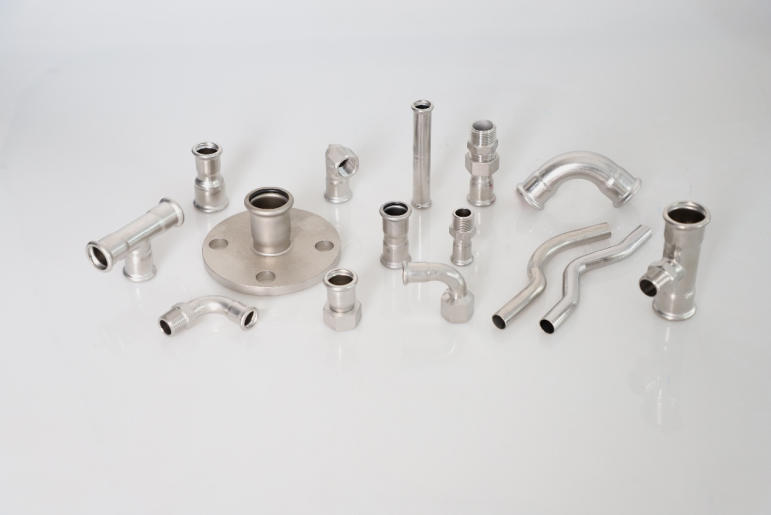
Quantitative market research data provides solid evidence for the surging adoption of stainless steel pipes and press fittings worldwide.
The global stainless steel press fittings market reached a valuation of USD 2.47 billion in 2024 and maintains steady positive growth. The broader metal pipe fitting market, with stainless steel products as its fastest-growing core segment, was worth USD 16,394.9 million in 2024. Industry analysts project the market will expand to USD 25,021.2 million by 2030, representing a compound annual growth rate (CAGR) of 7.3%.
Within the construction plumbing subdivision, the combined market for stainless steel plumbing pipes and fittings hit USD 4.93 billion in 2024, with a projected market size of USD 5.95 billion by 2030 at a CAGR of 3.19%. A separate independent industry report forecasts the standalone stainless steel plumbing pipe market will grow from USD 9.09 billion in 2024 to USD 12.97 billion by 2030 at a CAGR of 5.95%.
All statistical indicators reflect consistent global demand growth. Enterprises from all sectors are progressively phasing out traditional piping materials including copper and PVC. These legacy materials suffer from shorter service lifespans and high recurring maintenance costs, while the stainless steel press fit system provides extended service cycles and lower long-term operational expenditure.
The widespread industry shift toward stainless steel press-fit piping stems from inherent material and construction advantages that resolve persistent pain points in industrial fluid transport.
Exceptional Natural Corrosion Resistance
Chromium contained within stainless steel spontaneously forms a dense passive oxide film on the pipe’s inner and outer surfaces. This protective layer effectively blocks rust formation and chemical erosion, enabling stable operation in humid environments, acidic/alkaline fluid delivery pipelines and saltwater working conditions.
Reliable Zero-Leakage Press Connection Technology
Conventional joining methods such as welding, soldering and threading rely heavily on highly skilled technicians and carry inherent risks: thermal deformation, joint fatigue, incomplete sealing and human error leakage. Press fittings create fully airtight and watertight joints through standardized mechanical crimping, eliminating the above vulnerabilities entirely.
Streamlined Installation Reduces Comprehensive Project Costs
The press-fit connection workflow cuts on-site assembly time by up to 50% versus traditional piping installation techniques. Shorter construction periods reduce labor expenses, equipment rental fees and overall project cycle costs for property developers and manufacturing plant operators alike.
Stable Performance Under Extreme Pressure & Temperature Fluctuations
Stainless steel pipes and matched press fittings retain structural integrity under high internal pressure and frequent temperature shifts. This stability minimizes unplanned production shutdowns and revenue losses caused by pipeline failures.
Sanitary, Non-Contaminating Smooth Inner Surface
Stainless steel features a smooth, non-porous internal wall that inhibits bacterial adhesion and chemical residue accumulation. This property fully complies with strict hygiene standards for potable water supply, pharmaceutical production and food processing workflows.
Collectively, these multi-dimensional strengths encourage full material replacement in industries where pipeline leakage or medium contamination could trigger severe financial losses or safety incidents.
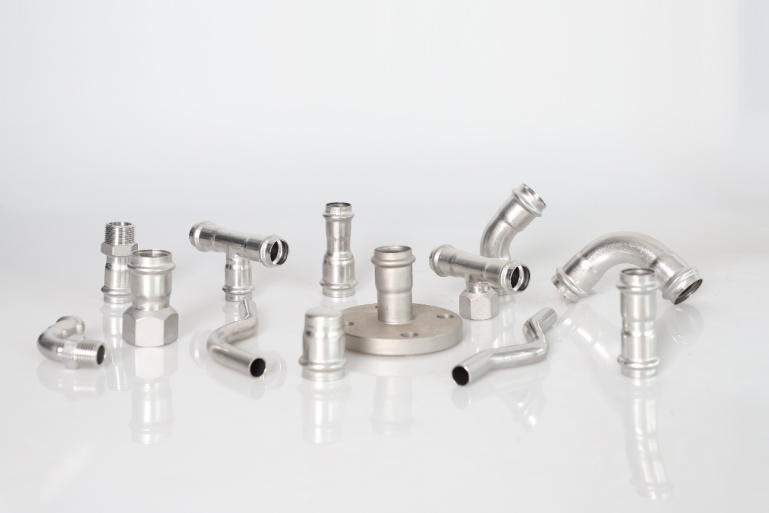
Residential & Commercial Plumbing and Construction Infrastructure
Fueled by global urbanization, new infrastructure development and large-scale building renovation projects, stainless steel press-fit piping has become the preferred solution for domestic water supply, drainage and HVAC circulation pipelines. Its natural anti-corrosion property guarantees long-term clean transmission of drinking water, fully complying with international building safety codes. Fast-install press fittings deliver uniform, dependable connections for hot and cold water distribution systems, making plumbing the largest single end-use segment for stainless steel piping products.
Onshore & Offshore Oil and Gas Industry
The oil and gas sector relies heavily on stainless steel pipes for long-distance transportation of crude oil and petrochemical feedstocks both on land and offshore platforms. Press fittings reliably withstand high-pressure hydrocarbon and industrial gas pipelines, drastically mitigating leakage risks that may result in catastrophic environmental pollution or full facility shutdowns.
Rising global energy investment drives greater adoption of stainless steel piping solutions. The material resists corrosion from sulfur compounds naturally present in crude oil, extending pipeline service life and cutting long-term maintenance expenditure to deliver superior total cost of ownership.
Compressed Air & Industrial Dry Air Transmission Systems
Modern manufacturing facilities require not only high-efficiency compressors but also optimized piping networks to minimize energy consumption during air transport. Stainless steel press-fit piping systems such as IPC Press deliver stable, low-resistance airflow with reduced pressure drop and energy waste.
These systems combine low upfront installation costs with minimal ongoing maintenance, establishing them as the industry standard for factory compressed air circuits to stabilize production efficiency and reduce power overheads.
Chemical Processing & Pharmaceutical Manufacturing
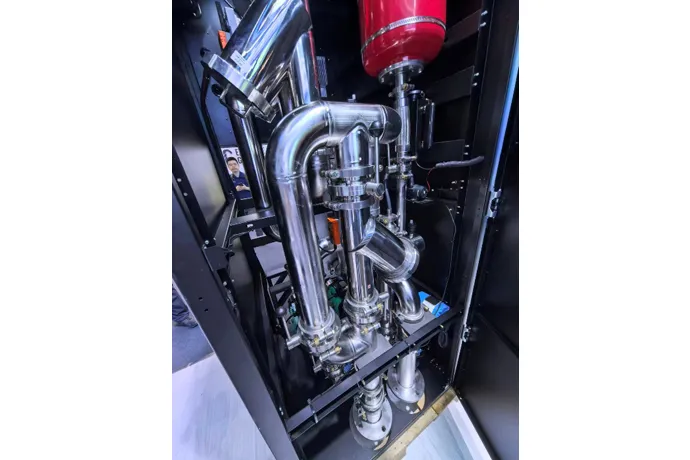
Chemical processing plants leverage stainless steel’s tolerance to aggressive reagents and extreme temperatures for reaction transfer pipelines, raw material storage loops and cross-plant fluid transport. Press fittings support rapid assembly for complex multi-branch pipeline layouts, while the inert pipe surface prevents cross-contamination of sensitive chemical formulations.
Hygiene compliance is non-negotiable within pharmaceutical production. Stainless steel’s smooth surface suppresses microbial growth and withstands repeated high-temperature sanitization cycles, an essential requirement for sterile water circulation, liquid drug transport and medical equipment piping. Strict Good Manufacturing Practice (GMP) regulations across the pharmaceutical sector further accelerate the rollout of stainless steel press-fit piping infrastructure.
Food and Beverage Production Lines
Food processing facilities demand piping materials that preserve product purity and adhere to global food safety standards. Stainless steel pipes and press fittings are widely deployed to convey milk, fruit beverages, edible oils and production process fluids, thanks to their resistance to organic food acids and simple, thorough cleaning capability.
Modular press-fit pipeline architecture supports flexible production line reconfiguration and capacity expansion without compromising sanitary performance — an irreplaceable advantage for breweries, dairy processing plants, meat workshops and beverage bottling facilities. Traditional plastic and copper piping is gradually phased out in these environments, as porous or reactive surfaces trap contaminants and degrade rapidly under continuous contact with food-grade media.
Emerging New Application Fields
Beyond the five core industrial verticals listed above, stainless steel press fittings continue to gain traction in fast-growing emerging sectors:
1. Marine Engineering: Outstanding resistance to saltwater corrosion makes them ideal for shipboard internal fluid piping systems;
2. Fire Suppression Systems: High pressure tolerance and inherent fire resistance meet strict specifications for building fire protection pipelines;
3. Green Building HVAC Circuits: Efficient thermal conductivity aligns with global carbon neutrality targets and LEED green building certification criteria.
Global market statistics and cross-industry application case studies comprehensively demonstrate that stainless steel pipes and press fittings maintain consistent, long-term growth and are poised to dominate the global fluid piping market over the next decade. Key industry segments record CAGRs ranging from 3.19% to 7.3%, outpacing growth rates of conventional copper, plastic and carbon steel pipeline alternatives. Their unmatched durability, fast on-site assembly and adaptability to harsh, highly regulated operating environments form unrivaled core market competitiveness.
As global industries place increasing priority on production safety, sustainable development and long-term cost control, the industry-wide transition to stainless steel press-fit piping systems will accelerate further, reshaping the landscape of global construction and industrial infrastructure. This sustained market trend highlights the multi-scenario versatility of stainless steel alloys and positions stainless steel pipes and press fittings as indispensable foundational components of modern industrial engineering and global sustainable development initiatives.