
Apr 18, 2025
Blog

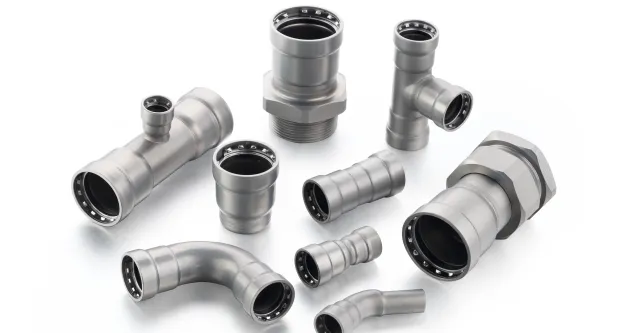
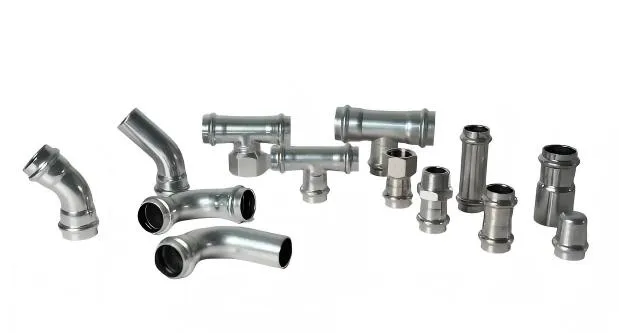
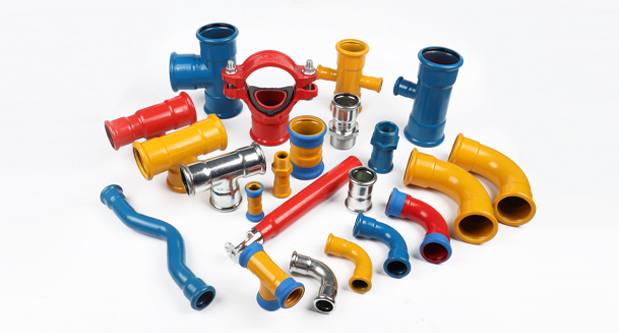
Galvanized pipe fittings, often referred to as galv pipe fittings, have become a fundamental part of plumbing systems due to their durability, resistance to corrosion, and overall reliability. These fittings, typically made from zinc-plated carbon steel, are designed to ensure secure and long-lasting connections between pipes. In various industries—especially construction, industrial plumbing, and HVAC systems—galv pipe fittings are preferred for their strength and longevity, particularly in challenging environments. In this article, we will delve into the role of galvanized fittings in modern plumbing, their key benefits, and how they compare to other types of fittings in the market.
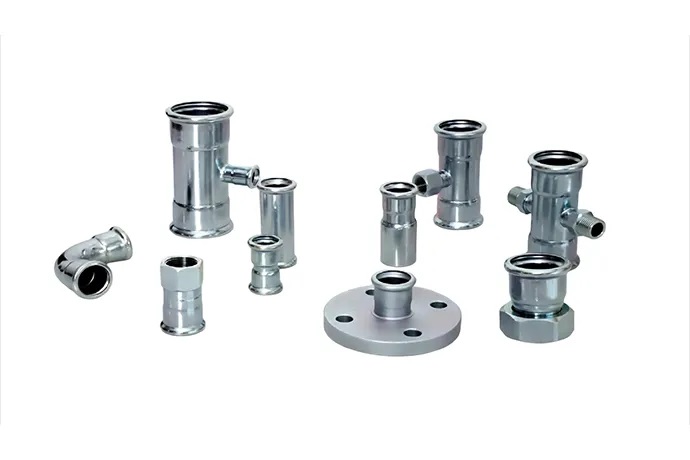
One of the primary reasons galv pipe fittings are widely used in plumbing systems is their exceptional durability. The galvanization process involves coating steel with a layer of zinc to prevent corrosion, which is especially important in environments where pipes are exposed to moisture, chemicals, or other elements that could cause rust. Galv pipe fittings are designed to last for many years, maintaining their structural integrity even in harsh outdoor conditions or areas with high humidity. This makes them a preferred choice in industrial, agricultural, and even residential applications where long-lasting performance is essential. Compared to untreated steel, galvanized fittings are far more resistant to corrosion, reducing the likelihood of leaks, breakdowns, or the need for frequent replacements.
Galv pipe fittings play an important role in maintaining the overall efficiency of a plumbing or piping system. By providing secure, tight-fitting connections between pipes, these fittings ensure that water, gas, or other materials flow smoothly through the system without the risk of leaks. The zinc coating on galvanized fittings acts as a protective barrier, preventing the buildup of rust or mineral deposits that could block the flow of liquids or gases. Additionally, galv pipe fittings are often used in systems that require high-pressure endurance, as their strength allows them to withstand extreme conditions without breaking or compromising the system's integrity. Whether in a commercial building, industrial plant, or residential home, these fittings help improve the overall performance and reliability of the system.
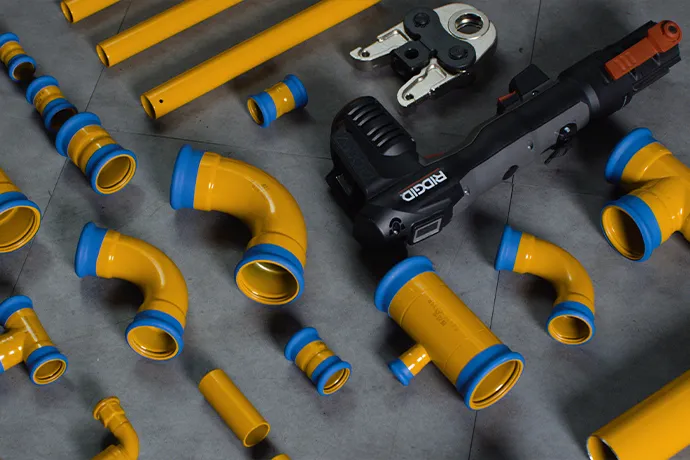
Galv pipe fittings are versatile and can be used in a wide range of plumbing applications. From residential plumbing installations to large-scale industrial systems, these fittings provide a reliable solution for connecting pipes of varying sizes and configurations. In residential applications, galvanized fittings are commonly used in water supply systems, irrigation systems, and heating systems, offering an affordable yet durable option for homeowners. In industrial settings, galv pipe fittings are used in gas pipelines, chemical processing systems, and HVAC systems where higher pressure and resistance to corrosive substances are required. IPC's galvanized fittings are designed to meet the rigorous demands of these diverse applications, ensuring that each connection is safe, secure, and long-lasting.
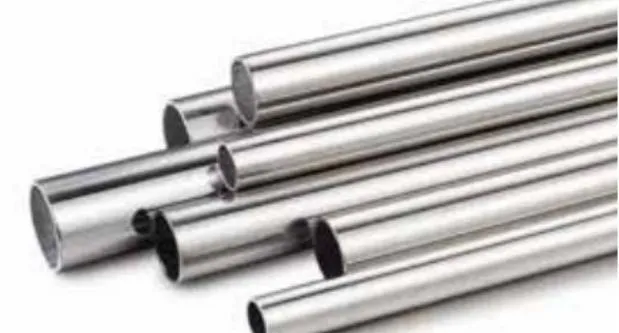
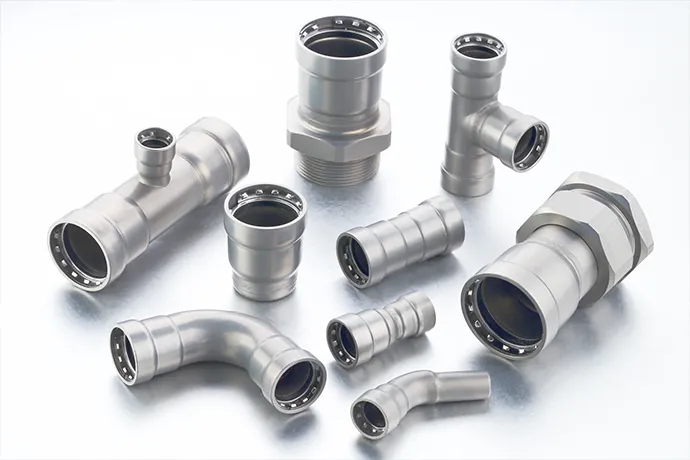
When comparing galv pipe fittings to other types of fittings, such as stainless steel or plastic fittings, there are distinct advantages. Galv pipe fittings provide excellent corrosion resistance and strength, particularly in environments where moisture and exposure to chemicals are common. However, unlike stainless steel fittings, galvanized fittings are typically more cost-effective while still offering impressive performance. The table below compares galv pipe fittings with stainless steel fittings to highlight their differences in key areas:
Feature | Galv Pipe Fittings | Stainless Steel Fittings |
Corrosion Resistance | High (due to zinc coating) | Very high (naturally corrosion-resistant) |
Durability | Strong, but susceptible to wear over time in extreme conditions | Extremely durable, even in harsh conditions |
Cost | More affordable | More expensive |
Ideal Applications | Residential and light commercial plumbing | High-pressure, industrial, or high-temperature systems |
Ease of Installation | Easy to install | Requires more specialized tools for installation |
Maintenance | Requires less frequent maintenance than uncoated steel | Low maintenance, but can be expensive to replace |
As seen in the table, while galv pipe fittings offer significant advantages, particularly in terms of cost-effectiveness and ease of installation, they are best suited for environments that do not require the extreme durability of stainless steel fittings. Stainless steel fittings, while more expensive, provide superior long-term performance in high-stress or high-temperature systems.
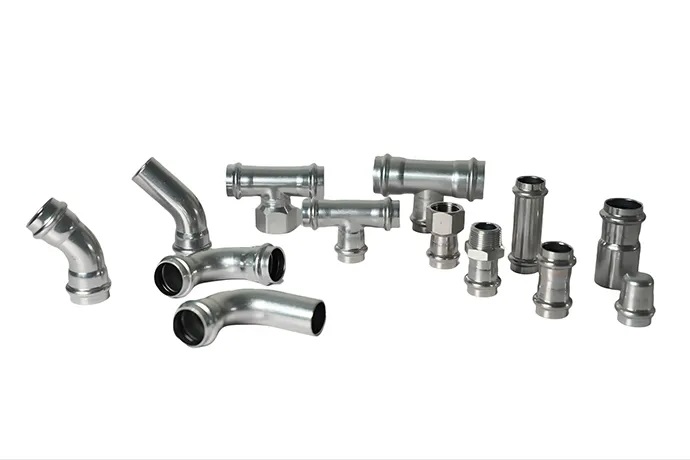
Galv pipe fittings offer numerous advantages in both residential and commercial plumbing systems. Their cost-effectiveness, coupled with their corrosion resistance, makes them an ideal choice for a wide range of applications. In residential plumbing, galvanized fittings are used for connecting water pipes, heating systems, and irrigation lines. Their ability to withstand corrosion and rust ensures that these systems function efficiently for an extended period. In commercial and light industrial plumbing, galv pipe fittings are often used for systems requiring moderate pressure and resistance to corrosion but do not need the extreme durability of stainless steel. The ease of installation and long-lasting performance of galv pipe fittings makes them a valuable choice for both residential and commercial builders and contractors.
Galv pipe fittings provide an excellent solution for connecting pipes in a variety of plumbing applications. Whether for residential, commercial, or industrial use, these fittings offer impressive durability, corrosion resistance, and long-lasting performance. IPC's galvanized fittings are engineered to meet high standards, ensuring secure, leak-free connections that help improve the efficiency and longevity of any plumbing system. While they may not offer the same extreme durability as stainless steel fittings, they are an affordable and effective choice for many applications, offering significant advantages in terms of both cost and ease of installation.
References:
· Plumbing & Mechanical Magazine
· American Society of Plumbing Engineers