Jun 22, 2026
Blog

In modern building and industrial projects, choosing the right press fittings for HVAC and gas pipelines directly impacts system efficiency, safety, longevity, and overall project costs. Carbon steel press fittings and stainless steel press fittings are two leading options, each offering distinct advantages depending on the application.
As a leading manufacturer, IPC Piping System Co., Ltd. produces both high-quality carbon steel and stainless steel press fittings, helping engineers and contractors make informed decisions for optimal performance.
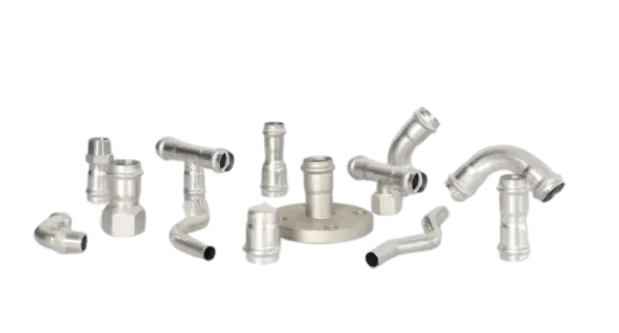
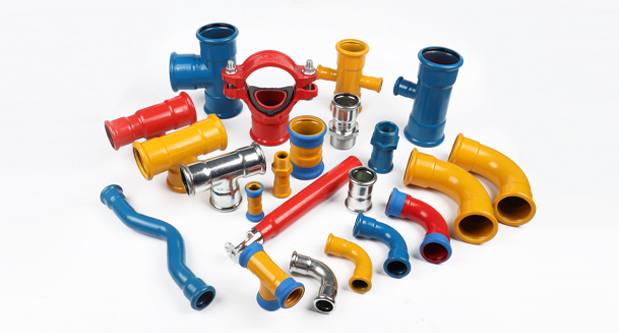
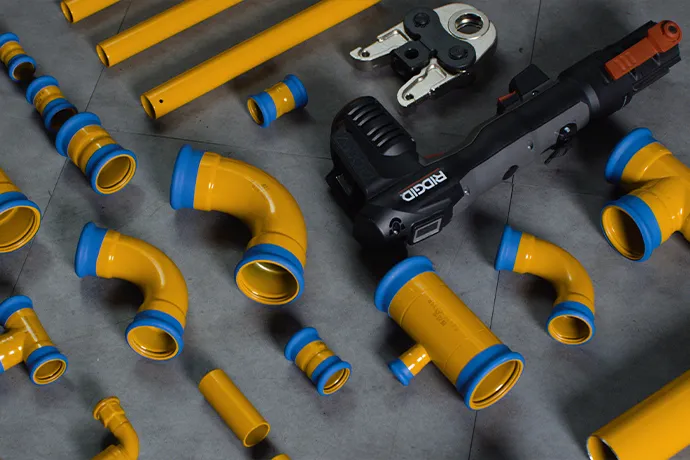
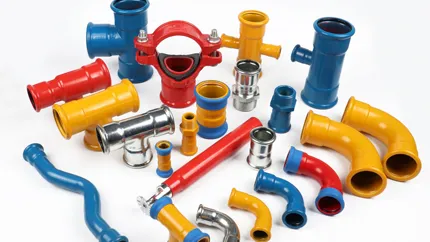
Carbon steel press fittings (including zinc-plated and epoxy-coated variants) are manufactured from high-strength carbon steel, often with protective coatings for enhanced durability. They are known for excellent mechanical strength and cost-effectiveness.
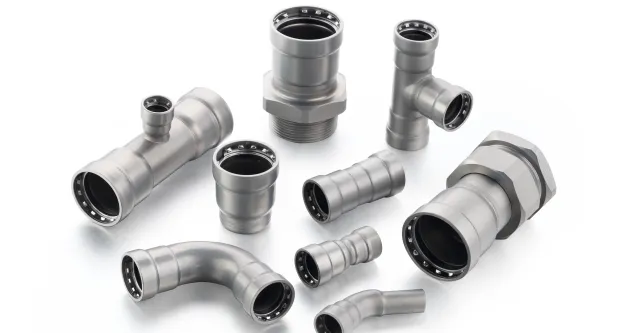
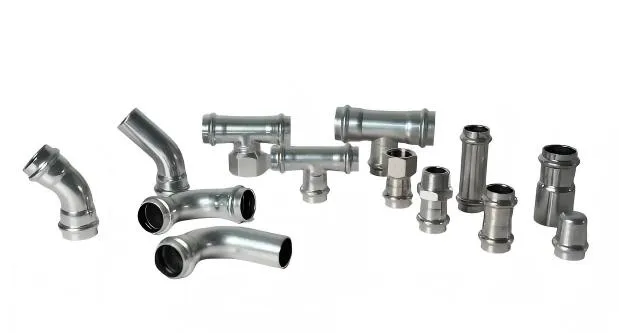
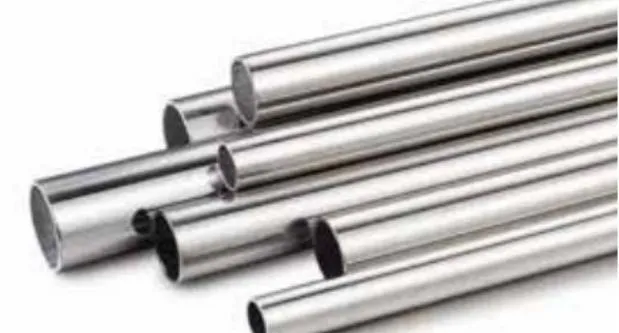
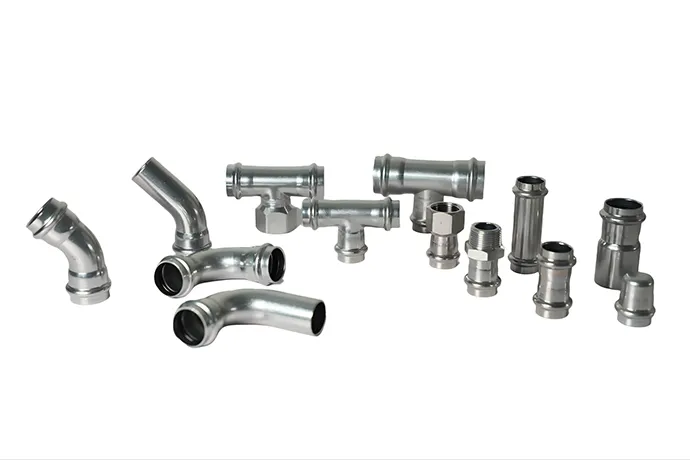
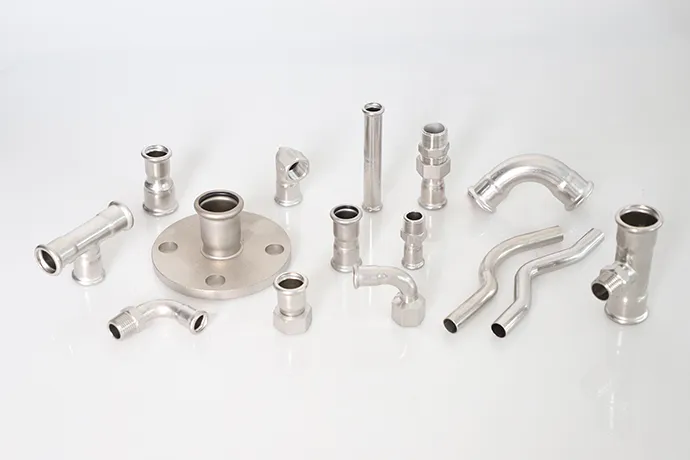
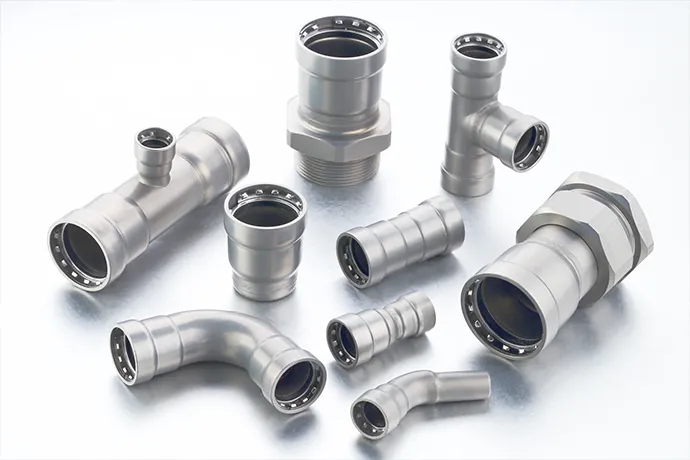
Stainless steel press fittings (typically 304 or 316L grades) offer superior corrosion resistance and a clean, hygienic appearance. They are ideal for environments where moisture, chemicals, or high purity are concerns.
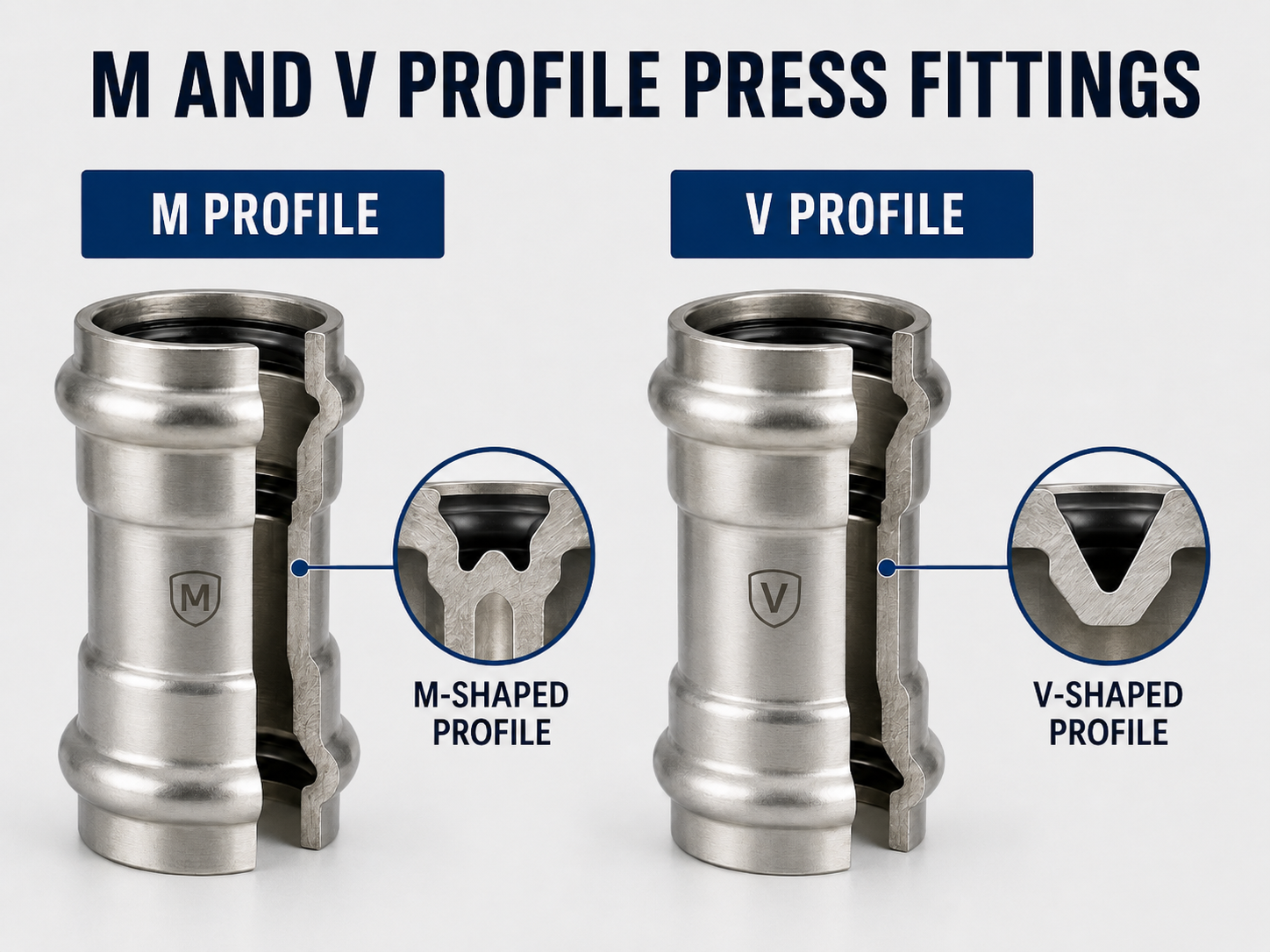
Both types utilize the same reliable cold-press technology, enabling fast, flameless installation with leak-before-press safety features.
| Aspect | Carbon Steel Press Fittings | Stainless Steel Press Fittings |
|---|---|---|
| Corrosion Resistance | Good (with zinc plating or epoxy coating) | Excellent (inherent, even in harsh conditions) |
| Cost | Lower initial cost | Higher upfront, better long-term value |
| Strength & Pressure Rating | High mechanical strength, thick-walled options | High strength with good ductility |
| Weight | Slightly heavier | Lighter |
| Aesthetics & Hygiene | Functional, coating-dependent | Superior clean appearance, ideal for visible areas |
| Best Applications | Standard HVAC, closed-loop systems, gas lines | Corrosive environments, potable water, high-purity gas |
HVAC systems require reliable piping that handles temperature fluctuations, condensation, and long-term exposure.
Carbon steel press fittings with epoxy resin coating excel in closed-loop heating and cooling systems. Their thick-walled designs provide robust pressure capacity and 300% improved corrosion resistance in certain IPC variants, making them highly cost-effective for large commercial buildings.
Stainless steel press fittings are preferred in high-humidity environments, coastal projects, or systems requiring maximum cleanliness. Their natural resistance to oxidation prevents degradation even with constant moisture exposure.
Gas pipelines demand the highest safety standards due to pressure and leak risks.
Both materials meet strict international certifications (DVGW, WRAS, FM, UL, etc.), but selection depends on gas type and environment:
Carbon steel (often zinc-plated) performs well in dry natural gas or indoor applications where budgets are a priority.
Stainless steel is the better choice for corrosive gases, outdoor installations, or areas with high moisture/chemical exposure, offering superior long-term leak prevention and safety.
Both carbon steel and stainless steel press fittings install significantly faster than traditional welding or threading — often saving up to 60% in labor time. They require no hot work permits, reducing project risks and downtime.
Maintenance: Stainless steel typically requires less ongoing care. Coated carbon steel offers excellent longevity when properly specified.
Total Cost of Ownership: Carbon steel often wins on initial budget, while stainless steel delivers lower lifecycle costs in aggressive environments.
Consider these factors when deciding:
Environmental conditions (humidity, chemicals, location)
Budget vs. long-term ROI
Specific media (air, water, gas type)
Compliance and standards: Ensure materials meet local regulations
Project scale and visibility
System lifespan expectations: Long-term reliability favors stainless steel
Safety requirements: Critical gas systems may benefit from stainless steel’s durability
IPC offers both thick-walled carbon steel and inox stainless steel press fittings (DN10–DN300) with full technical support to help customers select the optimal solution.
For HVAC distributors and gas engineering professionals, selecting the right press fittings is essential to balancing cost, performance, and long-term reliability. Carbon steel press fittings offer excellent value, stable supply, and easy inventory management, making them the preferred choice for standard HVAC systems and general gas pipelines. Stainless steel press fittings, on the other hand, deliver superior corrosion resistance and minimal maintenance, ideal for high-humidity environments, coastal projects, and demanding gas applications where safety and longevity are critical.
At IPC Piping System Co., Ltd., with over 20 years of expertise, we manufacture both high-quality carbon steel and stainless steel press fittings under strict quality control and international certifications. Whether you need cost-effective carbon steel solutions or premium stainless steel performance, IPC is your reliable partner.
Ready to optimize your HVAC or gas piping system? Contact our technical team today for expert recommendations, product samples, or custom OEM solutions.
Press fittings are modern pipe connection solutions that use a specialized pressing tool to create secure, leak-proof joints without the need for welding or threading. They are preferred because they significantly improve installation safety by eliminating open flames, reduce installation time by up to 70%, deliver consistent and reliable sealing quality, and help lower overall labor and maintenance costs, making them an efficient and dependable choice for HVAC, gas, and industrial piping systems.
Carbon steel (especially epoxy-coated) is often preferred for cost-effectiveness in standard HVAC applications, while stainless steel is ideal for high-humidity or corrosive environments.
Yes. IPC carbon steel press fittings are certified for gas applications and provide reliable performance when properly selected and installed.
Stainless steel typically costs 30-60% more upfront but can deliver better long-term value through reduced maintenance.
It is generally not recommended due to potential galvanic corrosion. Consult IPC engineers for compatible system design.
IPC products comply with DVGW, WRAS, NSF, UL, FM, CUPC, and many other international standards.
Need help choosing the right fittings?
Contact IPC's technical support team for personalized guidance on your HVAC or gas pipeline project.
Optimize your piping systems with proven press fitting technology from a trusted global manufacturer.